Prepare to sell
Describe your product, origin, available volume and business. Bring the documents you already have.
Sectors · Agribusiness
Do you produce or trade coffee,tea, chilli, vanilla, cocoa, dried or fresh fruits and vegetables or other agricultural products? Wherever your business is based, start with your product and the market you want to reach.
Crossgates helps you organise business information and supporting documentation into a Verified Trade Passport. STIV can help you understand buyer requirements and prepare your questions.
Describe your product, origin, available volume and business. Bring the documents you already have.
Define the product, origin and evidence you need. Ask which supplier information can be shared and reviewed.
Considering the UK, Europe or another destination? Ask STIV what requirements you should explore before trading.
We welcome agribusiness enquiries from every African country, including South Africa and countries across West, North, Central and East Africa. Availability and review scope are agreed case by case. Guidance does not guarantee certification, a buyer or a sale.
Explore our documented agricultural launch and field activity →
Africa’s agricultural opportunity, with the figures behind it. Explore export values, the product mix and the evidence buyers need to assess suppliers.
Approximate values · US dollars
African agricultural exports · 2023
Fruit & nuts: share of Africa’s agricultural exports · 2019–2023
Africa’s agribusiness opportunity · 2030 projection
The US$1 trillion figure is an IFAD-cited projection for Africa’s agribusiness sector by 2030, not today’s export value or Crossgates revenue. Achieving it depends on investment, infrastructure, standards and market access.
Market context, not Crossgates’ market share. We do not yet publish a measured share of these markets. Counters animate once; the figures are dated snapshots, not live feeds.
2023 · WITS / UN COMTRADE
Compare reported exports across eight product categories. Select a row to explore the value and evidence.
2023 reported gross exports · rounded values · includes re-exports. Africa’s share of reported exports, not production or Crossgates’ market share.
World Bank WITS / UN Comtrade. World total sums reporting economies, excluding the separate EU aggregate. African total sums African reporters. Missing reports are not treated as zero. Shares use unrounded values; full tables and definitions remain on each product page.
Download the eight-product dataset ↓Identify origin, batch, grade, processing method and available quality records.
Describe moisture, storage, allergen handling and relevant test documentation.
Show harvest windows, pack specifications, cold-chain arrangements and relevant residue or plant-health evidence.
Identify species, origin, handling temperatures and relevant catch, health or processing records.
Evidence requirements depend on the product, destination and buyer. Availability and review scope are agreed case by case.
Our focus spans Southern, West, Central, East and North Africa, including Zimbabwe, South Africa, Botswana, Nigeria, Ghana, DR Congo and the Republic of Congo. Diverse growing conditions offer opportunities across crops and seasons. Organic claims require evidence of practices and applicable certification.
Sources checked: 2 November 2026.
See the wider African trade context →Field research · Real conversations
Crossgates is being shaped by direct market visits, agricultural industry conversations and engagement with suppliers. Founder Doris Beth Atigo has taken that work from Uganda to London: listening, observing and introducing the business to international audiences.
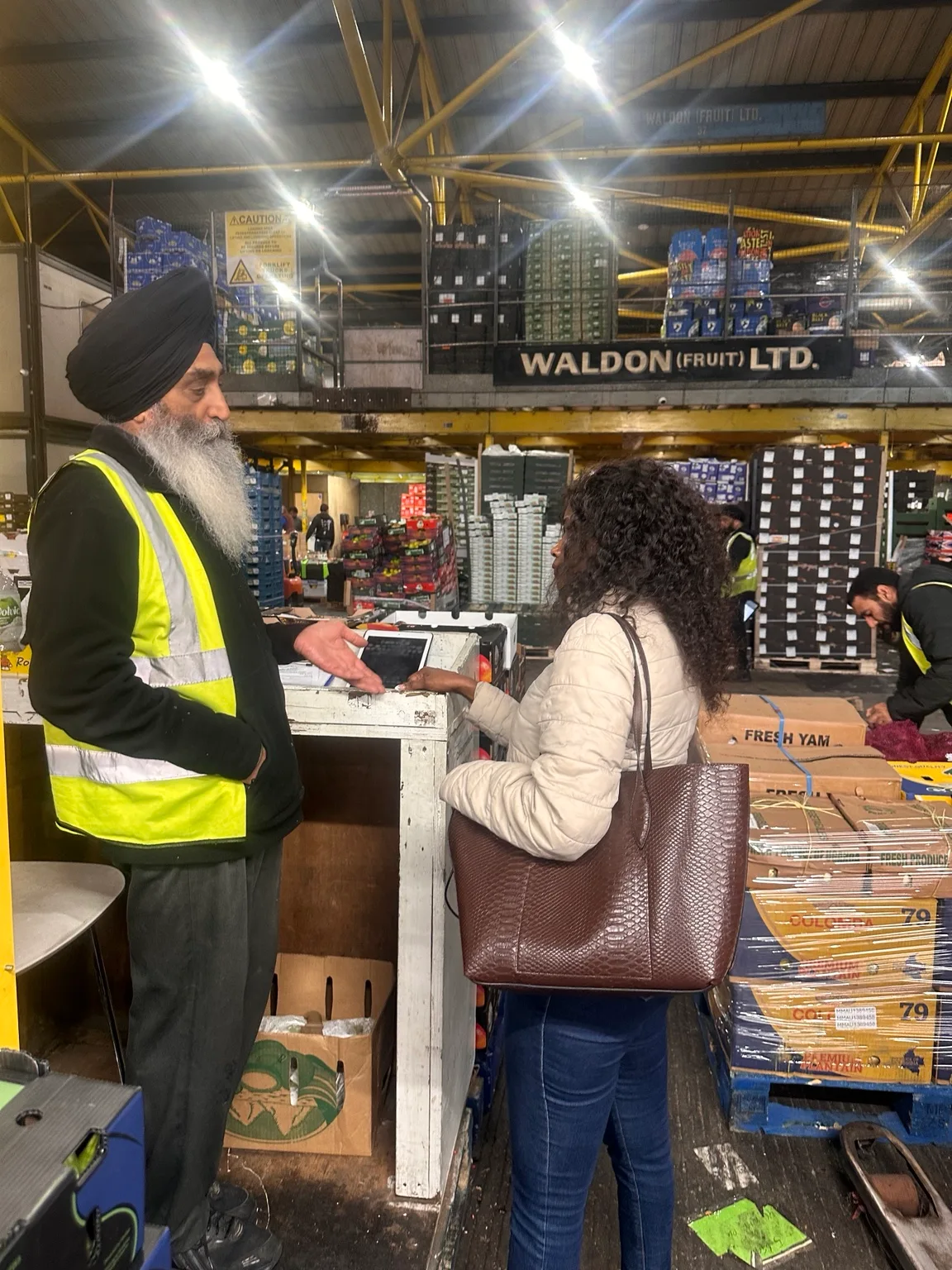
London · Wholesale market research
At Spitalfields Market, Doris spoke with traders and wholesale market participants to better understand sourcing needs and the information suppliers should prepare. These conversations help keep Crossgates focused on practical buyer questions: what is the product, where does it come from and what records support it?
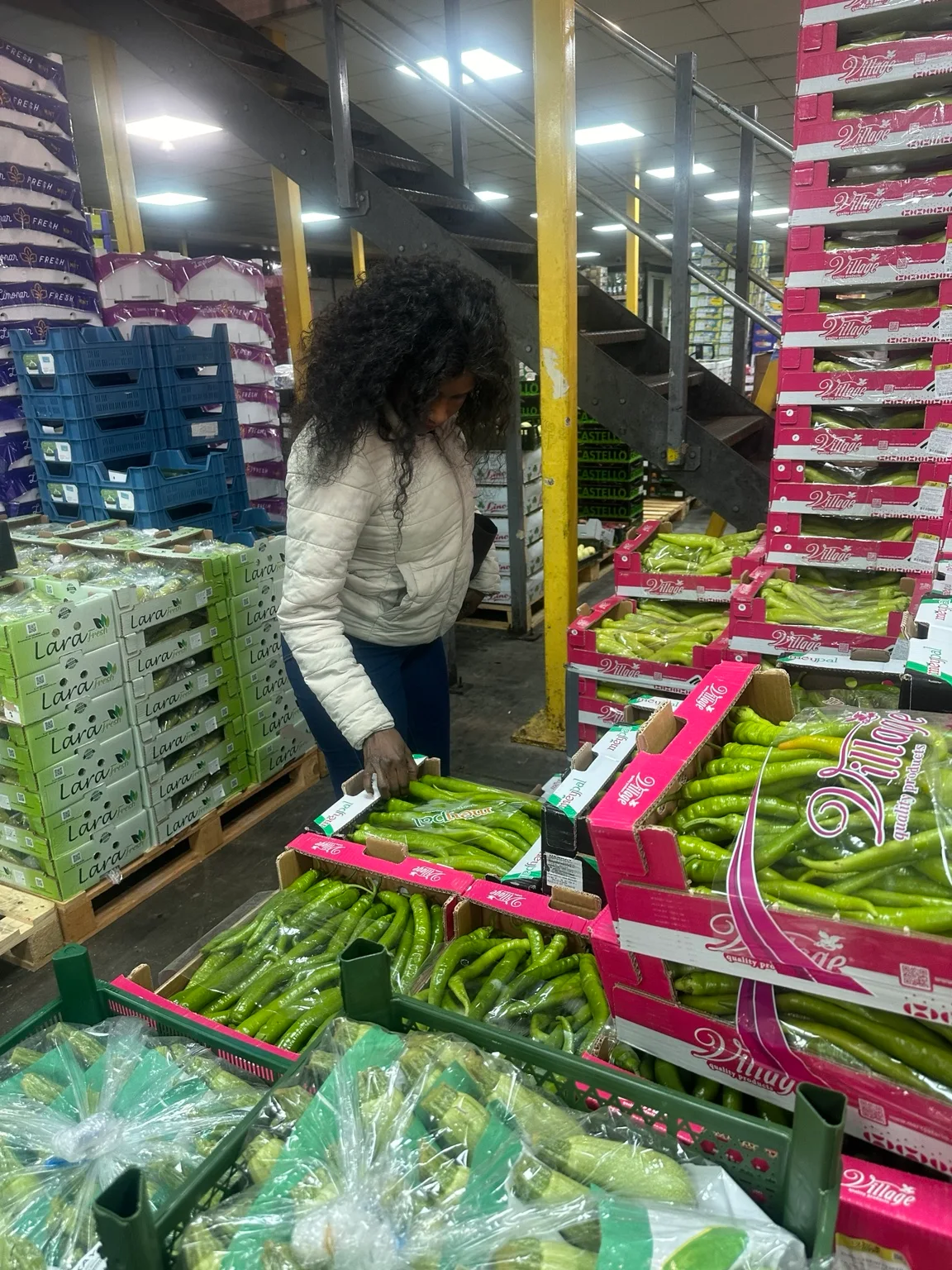
London · Product and quality observations
Examining produce on the market floor gave Doris a first-hand view of how products are presented and compared. This exploratory research helps shape the questions we encourage suppliers to ask about quality, packaging, origin and delivery expectations.
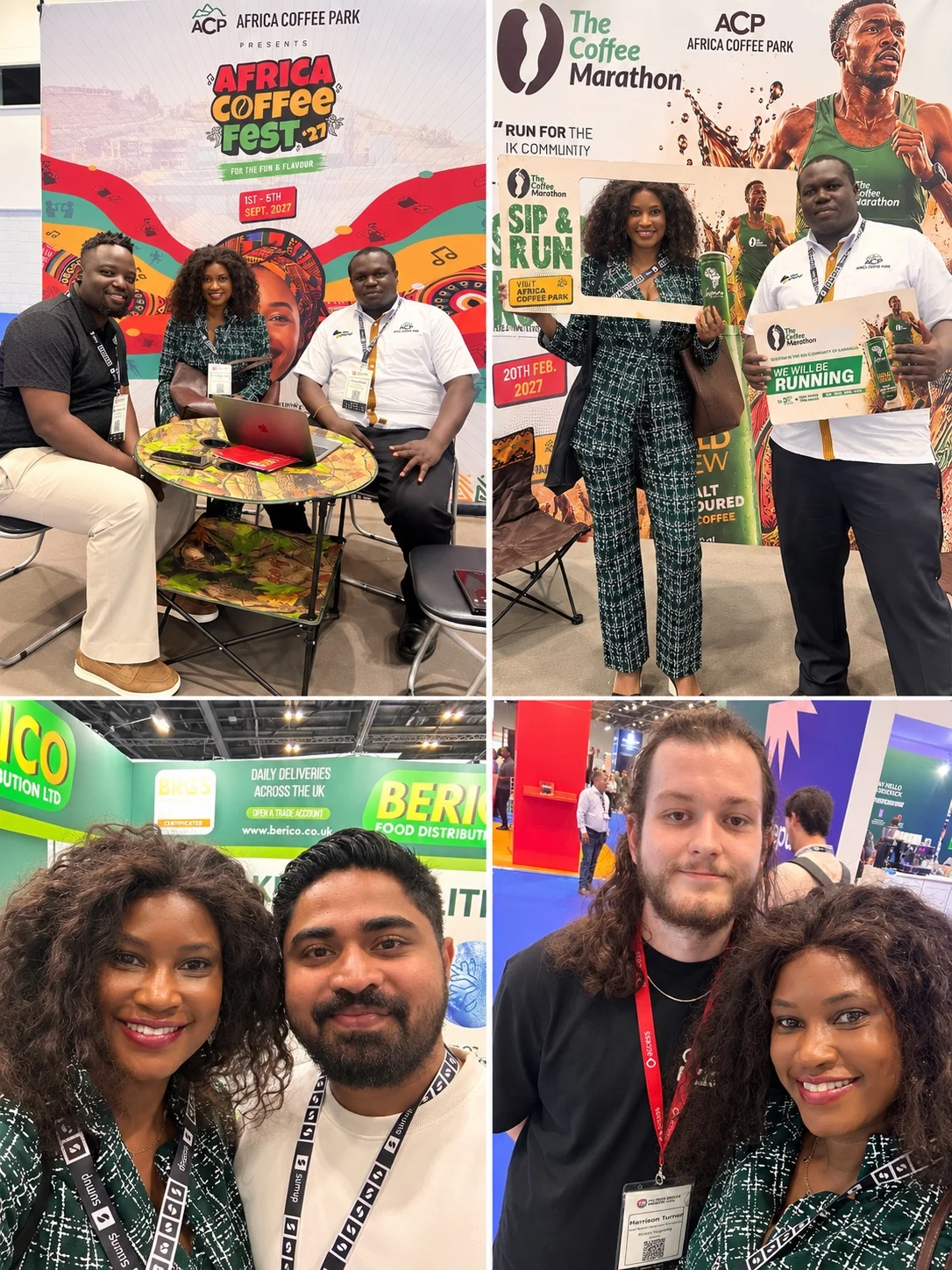
ExCeL London · Food and coffee conversations
Meetings with exhibitors and industry participants at ExCeL London provided opportunities to discuss demand and supplier preparation. Crossgates is developing relationships and gathering market insight so suppliers can approach commercial conversations with clearer product information and supporting documentation.

Uganda · STIV launch
The STIV launch at Nican Resort Hotel, Lweza, introduced Crossgates’ approach to business preparation in Uganda. It created a setting to discuss the information suppliers need to present, the documents they hold and the support they need before approaching buyers. New Vision’s launch report identifies Dr Hillary Emmanuel Musoke Kisanja, pictured with the team, as Senior Presidential Adviser on Agribusiness and Value Addition.
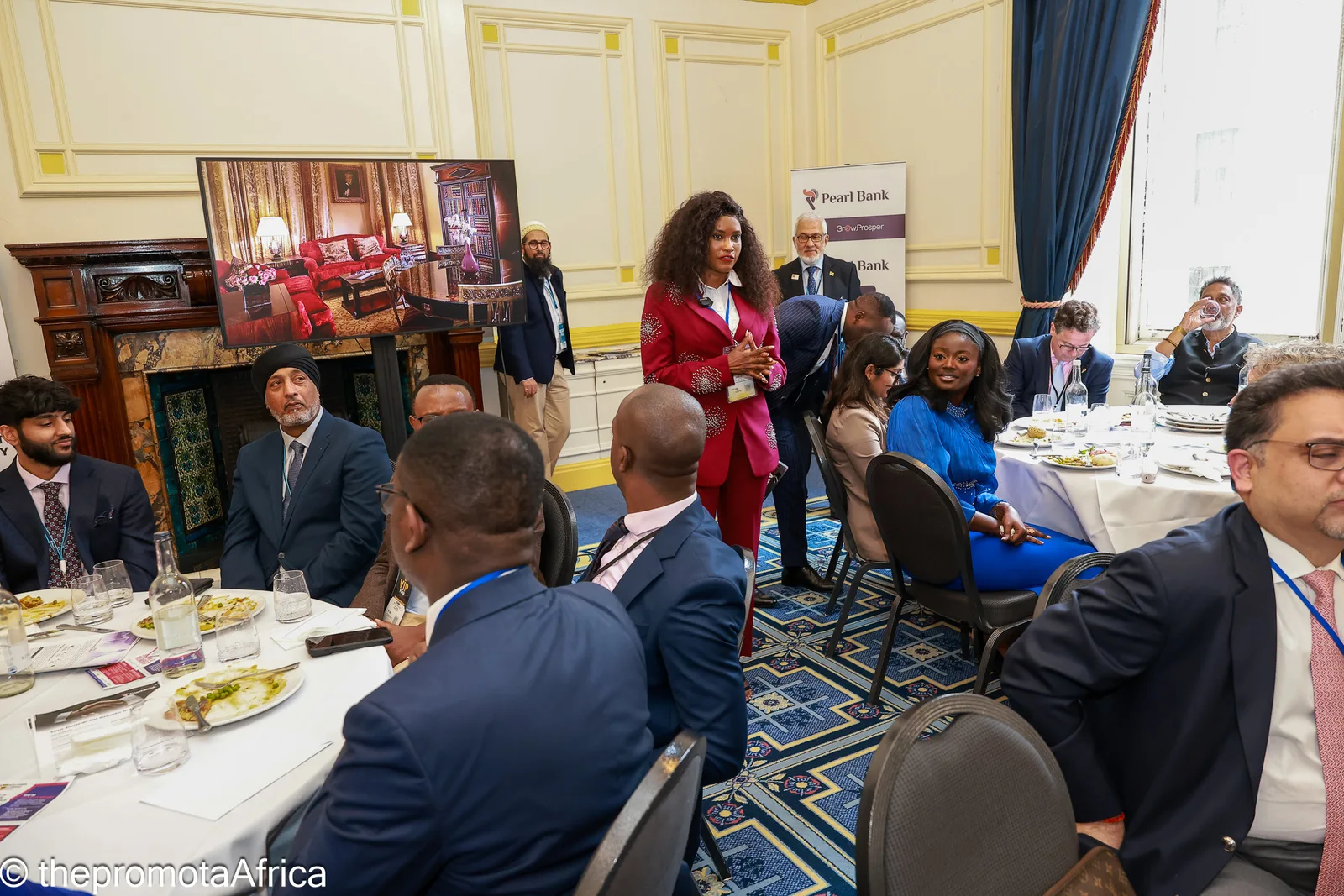
London · UK–Africa investment summit
Doris took Crossgates’ message into international business discussions: suppliers need a clearer way to present their businesses, and buyers need information they can assess. Summit participation supported introductions and conversations about trade readiness, enterprise and investment.
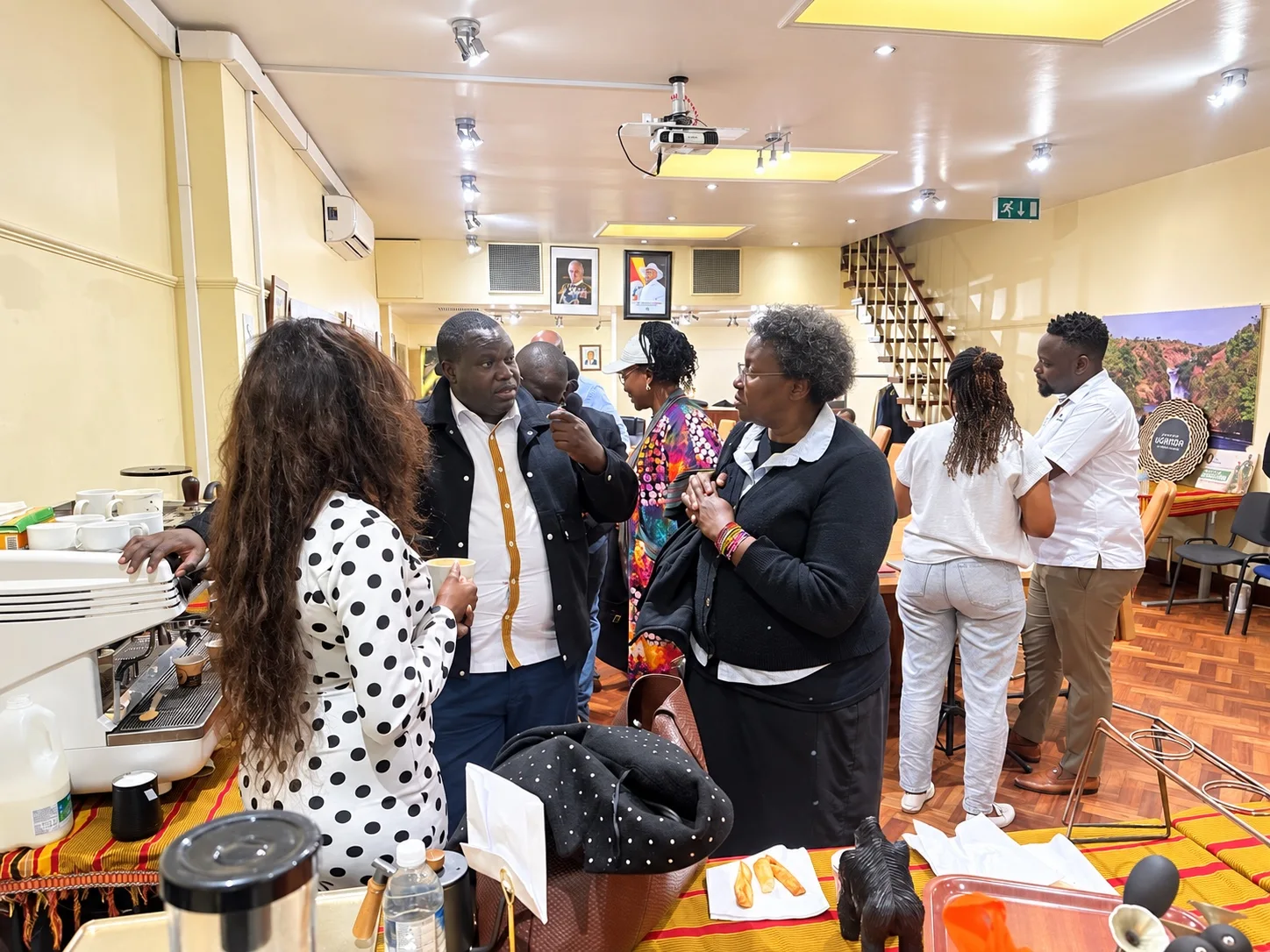
London · Coffee community
Engagement with the coffee community offered further opportunities to discuss products, preparation and international trade. These visits complement our UK market research and Uganda launch, connecting supplier questions with the commercial information buyers need.
These photographs document visits, participation and discussions. They do not represent buyer contracts, government endorsement or completed export sales.
Watch the field record
A short field clip showing the wholesale setting and produce on display. Observations like these inform the questions suppliers should ask before entering a destination market.
A moment from the launch, bringing business preparation and international buyer requirements into the supplier conversation.
Read the New Vision launch report →Start with your product, your current documents and the market you want to reach. Ask STIV to help you organise your information and understand the questions to explore before speaking with buyers.
Ask STIV about your agribusiness →Our current sector focus is agribusiness. Crossgates helps producers, processors, suppliers and buyers discuss products through structured information and clearer evidence. The starting point is practical: what is the product, where does it come from, what can be supplied and what must the buyer know?
Green coffee is not assessed in the same way as fresh fruit or processed fish. Product form, handling, destination and buyer specifications shape the information required. We begin with the product and build an appropriate preparation brief.
Our existing field stories document supplier engagement in Uganda and market conversations in the UK. These experiences inform the questions we ask about product presentation, records, sourcing needs and commercial expectations. Explore the photographs and videos to understand the work behind the platform.



Reidar Robdrup Rasmussen
Co-Founder & International Director